About Us
We are a fee-for-service clinic, accepting referrals for children ages 7 and under with behaviour problems. We primarily provide an evidence-based program called Parent-Child Interaction Therapy – found to be an effective treatment for reducing problem behaviours in children ages 7 and under.
We work with all families with children with behaviour problems but have substantial experience working with those who show limited prosocial emotions relative to other children their age. Limited prosocial emotions describe children who struggle to experience empathy, remorse for wrongdoing, and/or caring feelings towards others
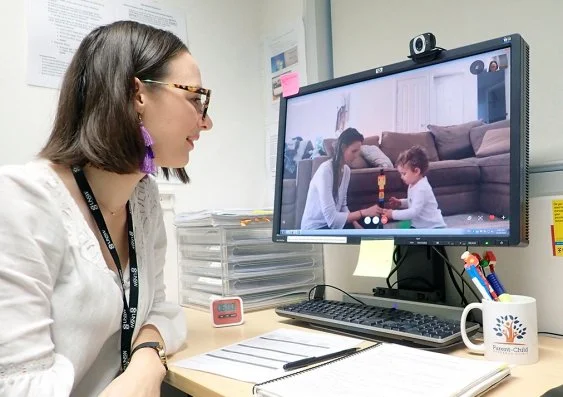
In addition to providing standard in-clinic treatment, we also offer Internet-delivered treatment in which interested and eligible families securely meet “face-to-face” with an experienced therapist over the Internet.
The UNSW Parent-Child Research Clinic also offers a 7-week group parenting program for all parents and carers of children aged 18 months to 5 years called Helping Our Toddlers, Developing Our Children’s Skills (HOT DOCS). HOT DOCS is evidence-based, structured, and supportive, and offers parents a problem-solving approach for everyday behaviour problems.
To find out more about the HOT DOCS program, please click here.
What to Expect
This informational video explains what to expect when coming to the UNSW Parent-Child Research Clinic:
-
We will start by asking you questions over the phone to find out if your primary concern is your child’s disruptive behaviours. After our clinical team reviews the information, we will notify you if the program we offer is suitable to address your concerns. Our friendly clinic receptionist will get in touch to schedule your child and any other primary caregivers in for a comprehensive assessment at our clinic.
-
The comprehensive assessment will take around two and a half to three hours to complete. We will ask you to complete several questionnaires before coming to the session, concerning your child’s behaviours, emotions, early development, parenting experiences, family stresses and any mental health concerns you may have.
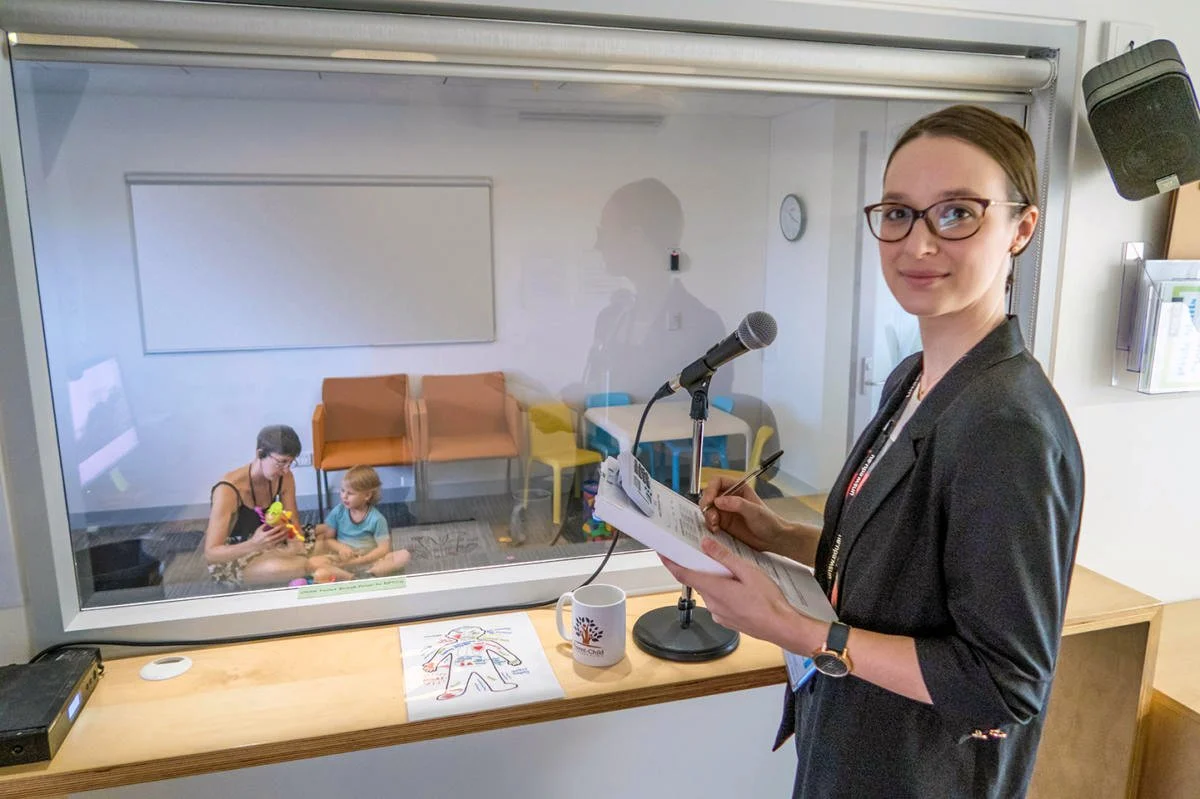
During the assessment we will ask you in-depth questions about your child’s behaviour and the current parenting strategies you are currently using. We will also observe you and your child from behind a one-way mirror while you play together. This will assist us in learning more about your relationship with your child and about his or her level of compliance. Your child will complete some computerised and paper assessments for us to learn more about his or her emotional experiences.
The information we gather from the assessment will give us important insight into how we can personalise the treatment program for your family. -
After completing the assessment, we will schedule you for your first treatment session. The most common treatment program we offer at the UNSW Parent-Child Research Clinic is called Parent-Child Interaction Therapy, or PCIT. PCIT is different from other programs because it involves both the parent and the child.
Your first PCIT will involve a parent-alone session. This allows us to instruct you about the strategies we use in subsequent coaching sessions.
You will then practice using these strategies with your child during therapeutic play sessions. Our PCIT-trained psychologists will coach you in real time using a bug-in-ear device while you play with your child. These sessions will take place weekly for about one hour.
Stages of PCIT
-
Strengthening parent-child relationships
The first phase of PCIT focuses on strengthening your relationship with your child through special therapeutic play. This will allow your child to better accept your limits.
-
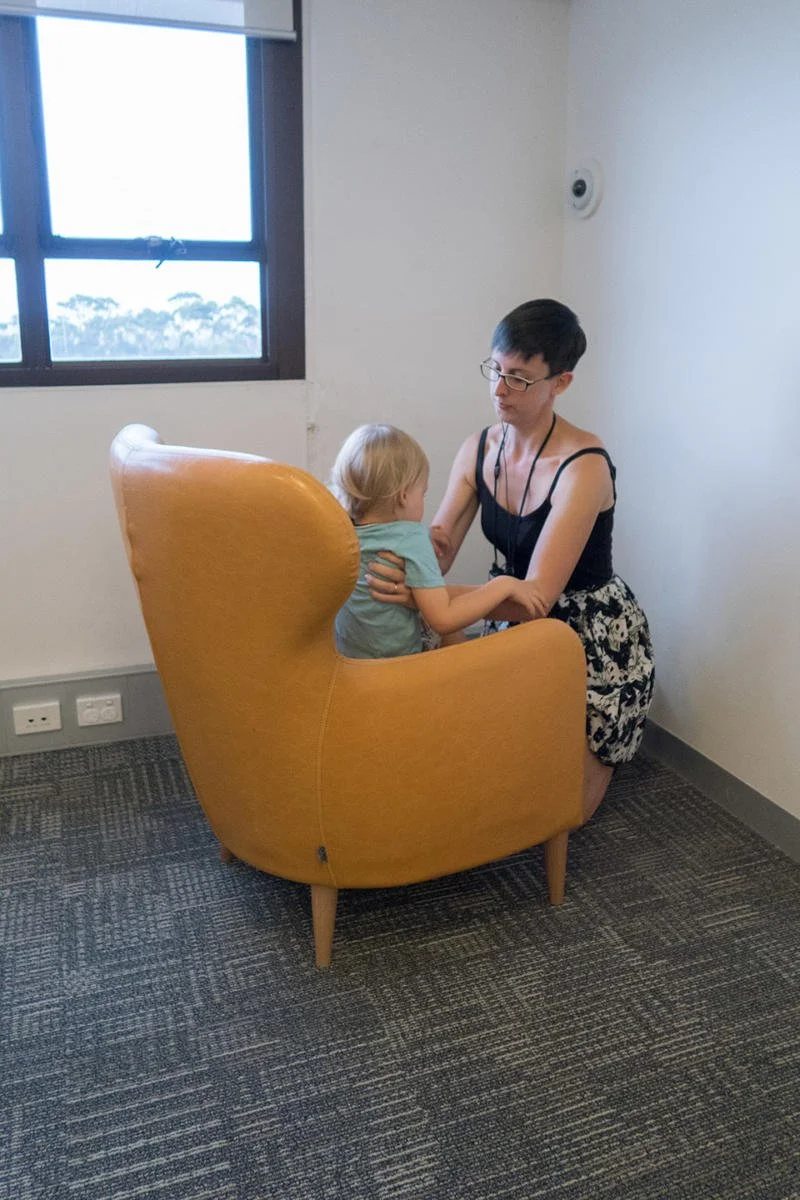
Learning effective discipline strategies
The second phase of PCIT involves learning to use effective strategies to get your child to listen and comply and to reduce aggressive and destructive behaviours, if that is a concern.
-

Teaching your child about emotions
Some families will receive a third program phase that involves teaching your child about their own and others’ emotions and how to respond in pro-social and caring ways.
-
Each week, you will fill in a brief questionnaire about your child’s behaviours. This information helps us to further customise the program and determine when you are ready to finish the full course of PCIT. A full course will take anywhere between 12 and 21 weeks to complete. Timing depends on several factors, including how much practice of the skills you do at home each week.
-
We are a fee-for-service clinic and are eligible for a Medicare rebate with a GP Referral Letter and Mental Health Care Plan. Our receptionist can answer any questions you have about treatment costs.
Our treatment services are provided by registered psychologists, clinical psychologists or provisional psychologists supervised by more senior clinical psychologists. All have received additional training in PCIT from a certified PCIT international trainer.
